























I smell something fishy! And I should. . . I have sardines in my salad. While this makes me popular with the cat, my own family wouldn’t join me for lunch. However, I know one person who would–Mike Merica, writer of “Bass Fishing with Mike.” Even though he doesn’t fish for them, he does eat sardines!
Sardines are one type of fatty fish that health experts recommend as a “nutritional powerhouse” due to their high protein content, bone-building minerals, and anti-inflammatory omega-3 fats (EPA and DHA). Mike and I aren’t just pleasing our tastebuds with those savory little fish; we’re keeping our hearts happy, too!
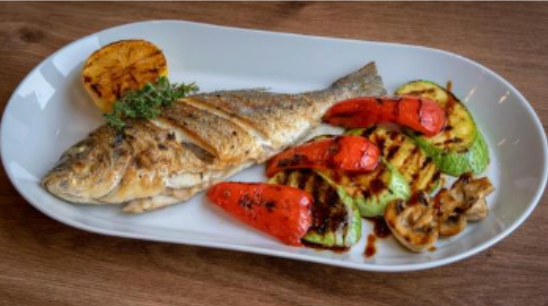
Omega-3s, as they’re commonly called, are essential polyunsaturated fats that our bodies need but can’t produce on their own. These valuable fats build healthy cell membranes, improve nerve function, and boost energy with long-term fuel. Most importantly for February’s American Heart Month, omega-3s benefit heart health in many ways.
Harvard Medical School notes that people who regularly eat fish have a lower risk of heart disease compared with those who don’t. A closer look by scientists uncovers the benefit of high levels of omega-3 fatty acids in the fish. Omega-3s slow plaque buildup in arteries that can trigger heart attacks and strokes. Although these healthy fats don’t thin our blood, they make it less sticky by reducing the chance of platelets clumping together and creating clots.
Omega-3s lower blood pressure by blocking inflammation and triggering positive responses in immune cells. According to Harvard Medical School, omega-3s increase HDL cholesterol (“good”) while they lower triglycerides (a type of fat that raises total cholesterol). For arrhythmia or irregular heartbeats, helpful omega-3s stabilize the heart’s natural rhythm.
If you said, “Yuck!” when I mentioned sardines, these helpful benefits don’t come solely from those mini-fish morsels. For a smoky, spicy treat, canned mackerel, about the size of sardines, may be more appealing–they’re less “fishy” and more buttery as tasty cracker-toppings.
Another small fish that packs a big omega-3 punch is herring, canned after being smoked or peppered and also a savory salad addition when pickled. Wild-caught salmon is also a “nutritional powerhouse,” offering high-quality protein and vitamin B12 along with its heart-healthy omega-3s. A meaty fish, salmon can be served a variety of ways from fresh, frozen, or canned–an easy protein for weekly meals. Canned tuna is a familiar pantry staple for most of us. According to Chicken of the Sea, albacore and bluefin are highest in omega-3s (eat bluefin infrequently due to potential for higher levels of mercury). Grilled tuna steaks offer a meaty alternative to beef or chicken. For local fisher-people, rainbow trout yields a light, flaky filet that doesn’t have to come from a grocery store or seafood market. While high in omega-3s, rainbow trout is also an excellent source of low-fat protein, magnesium, and vitamin B3.
The American Heart Association recommends eating fish 2-3 times per week for optimum benefits. If none of these tickle your tastebuds, other fish offer lean protein that is lower in saturated fat than beef or chicken. Bass or catfish are local catches (check water quality before eating). Cod, flounder, or whiting are mild tasting fish that can be baked or fried. For recipe ideas, go to Sarah Witmer’s column, ”Sarah’s Recipes.” This month, Sarah shares fish dishes that answer the age-old question, “What’s for dinner?”
Don’t let this heart-healthy tip get away–fish around until you find your favorites! Adding fish to our diets each week is easy self-care for our hearts!