























Michele Reger
Has life been moving so fast that you can’t keep up? Maybe you rush from one thing to the next or juggle your schedule to fit a list of “must-dos” while time seems to slip away. In recent days, have you said, “I can’t believe it’s a new year already?” And this begs us to consider how we’d like to begin 2026–and at what pace.
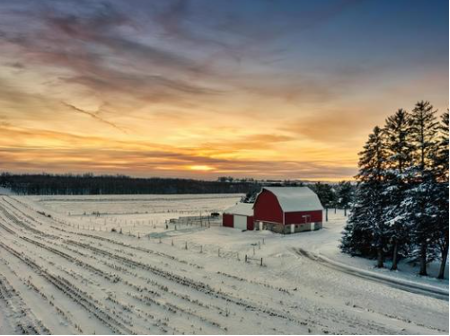
In nature, winter brings a time of slowing down–trees go dormant, animals hibernate, nights are long and still. Nature rests. When snow falls, schools close, and traffic is curbed. Yet many of us push against this natural rhythm by attempting to carry on our usual productivity, as if we could make winter into a colder version of our busy summer. Instead, let’s examine how a season of rest improves our overall well-being.
Chronobiology–the study of biological rhythms–shows that human bodies respond to seasonal changes. Shifts in hormones, sleep patterns, and energy levels are well documented. “Fighting these natural rhythms can lead to increased stress, decreased immunity, and emotional exhaustion,” says Anne-Laure Le Cunff of Ness Labs. As usual, we can learn from nature.
Naturalists say “wintering” describes how animals survive colder months. Some animal species migrate, but others stay in place, surviving harsh conditions by adapting physically and behaviorally, alongside native trees and plants. Nature doesn’t resist the rhythm of winter or try to control it. Instead, nature accepts the changing season by “wintering,” which means reducing activity, conserving energy, and drawing on stored resources.
We can practice wintering, too. By giving ourselves permission to ease into a softer pace for the season, we exit the fast lane and choose life in the slow lane. While we don’t give up responsibilities, we become intentional with our time, stay focused on what truly matters, and find joy in the present moment.
Minimalist coach Antonia Colins suggests wintering in the slow lane by first asking, “What truly matters to me?” It may be spending time with family, enjoying a hobby, or focusing on self-care. When we prioritize and schedule what feels most important, we decrease distractions and stress. By reducing participation in unnecessary activity, we can draw on resources that nourish and sustain our well-being. Colins also notes, “Rest is not a luxury–it’s essential.” Slowing down helps us listen to our bodies and nurture their natural rhythms needed for sleep, self-repair, and rejuvenation.
In nature, winter is a fallow season, but that doesn’t mean nothing is happening. By reducing activity, the soil conserves and replenishes nutrients that will nourish seeds in the spring. What new ideas or health benefits might we cultivate as we practice wintering? While this fallow time isn’t a daily invitation to hunker down under blankets, watching movies and munching on snacks (although we might grant ourselves an afternoon of that now and then), wintering can be a way to foster new patterns of living when the weather warms and our world speeds up again. Maybe we’ll learn to turn our attention from so much “doing” toward a bit more “being.” We’ll give ourselves permission to step back when we‘re tired and need to conserve energy. Maybe we’ll notice how many helpful resources are already available to us without having to hustle for them. We’ll be grateful for the people, supplies, and comforts that surround us.
By embracing the concept of wintering, we bring restoration to our bodies, minds, and spirits. Honoring our need for time in the slow lane allows us to enter a vibrant new year rested, renewed, and ready for growth!