














A Vicarious Visit with The Tusing Sisters of Branch Mountain
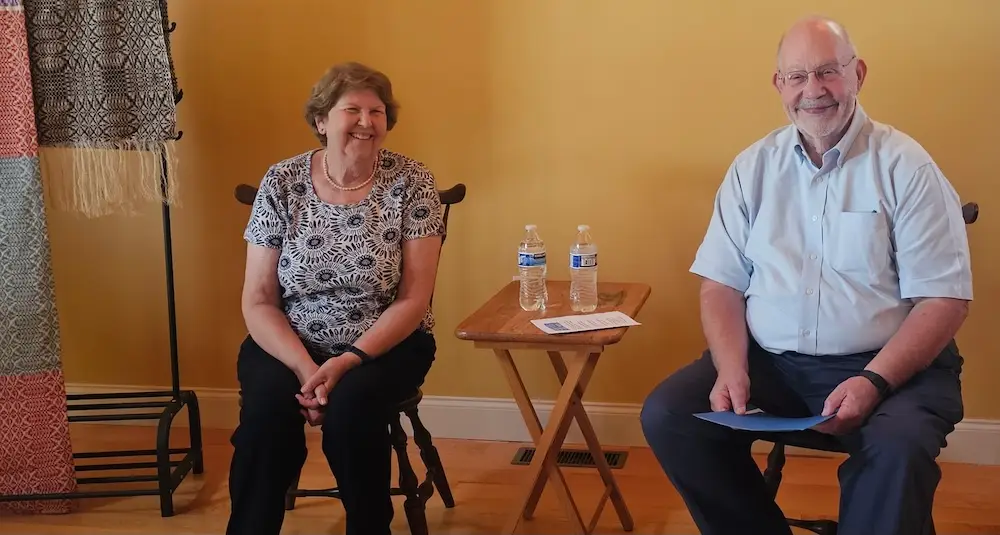
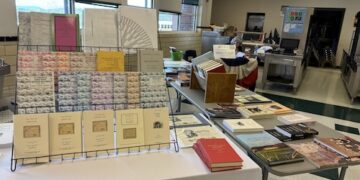
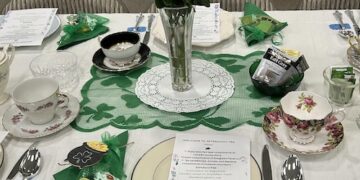
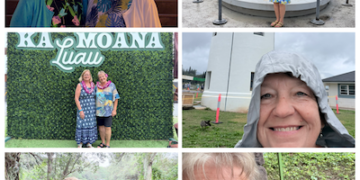
The afternoon of September 13, 2025, was a perfect day to drive to Hardy County, West Virginia, visit my aunt at my dad’s homeplace on Cullers Run Road, and stop by my homeplace on Crab Run Road, before venturing further on Route 259 to the Lost River Yoga Barn for a presentation by Gary Smucker and Kathy Sholl about the Tusing Sisters of Branch Mountain. The program was sponsored by the Artists Marketplace of Lost River Educational Foundation, located nearby in Lost City, WV. The Foundation held a reception afterward in the Museum where the Tusing loom and other artifacts can be seen.
Gary started the presentation by talking about his research on the Tusing Sisters; he has published research findings in the Moorefield Examiner newspaper (July 22, 2020, volume 129, number 40) and the Shenandoah Mennonite Historian (*Autumn 2020). He noted that Lynn Tusing (1905-2000) and Leora “Orie” Tusing (1896-1974) “were unique Mennonite women who lived like pioneers raising cows, sheep, chickens, and hogs.” In addition to raising farm animals, the women planted two gardens and grew cherries, apples, and pears. Ora was the older sister and tended to the house; Lynn milked the cows twice a day, hunted for game, and did most of the outdoor work.
Smucker noted that the Funkhouser homestead (the sister’s maternal grandparents’ house on Big Ridge) and other parcels of the Tusing farm are now part of Lost River State Park. He noted that the farm was near Helmick Rock at the top of Branch Mountain, and that from the top of the mountain where the cows were pastured “Up Top”, one could see Moorefield, WV, the county seat of Hardy County.
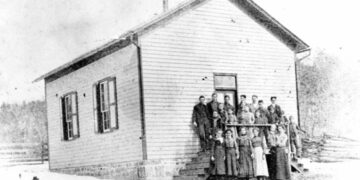
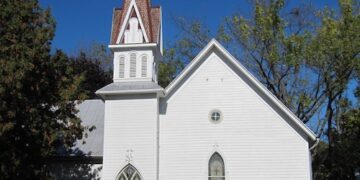
The Mathias Mennonite Church held Cottage Meetings for parishioners who could not make it to the church building; meetings were held on the Tusing farm with various pastors coming. The Tusing children walked to Topsy School, several miles away, for their education.
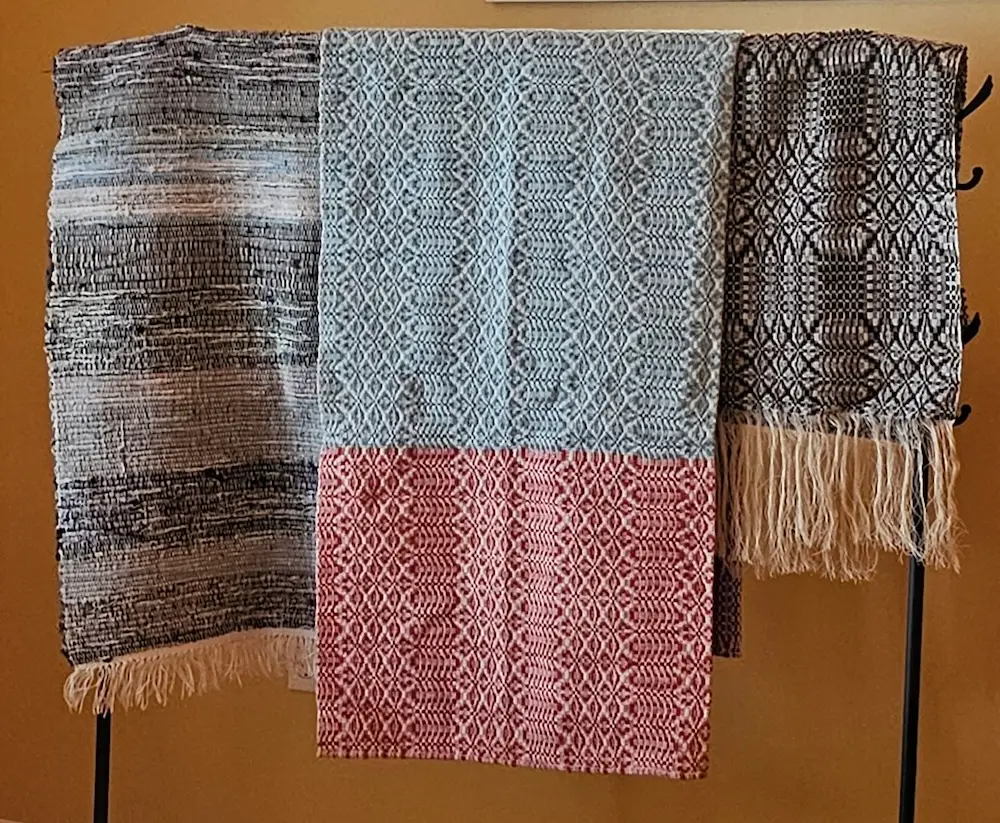
The Sisters became famous for their hand-woven coverlets, with the Smithsonian Institute publishing an article by Peggy Thomson in the March 1973, Smithsonian Magazine. Arthur C. Prichard published an article “The Tusings of South Branch Mountain: Lynn Tusing Recalls Life in Hardy County in Goldenseal Magazine. The yarn for the coverlets was spun from the wool from their sheep.
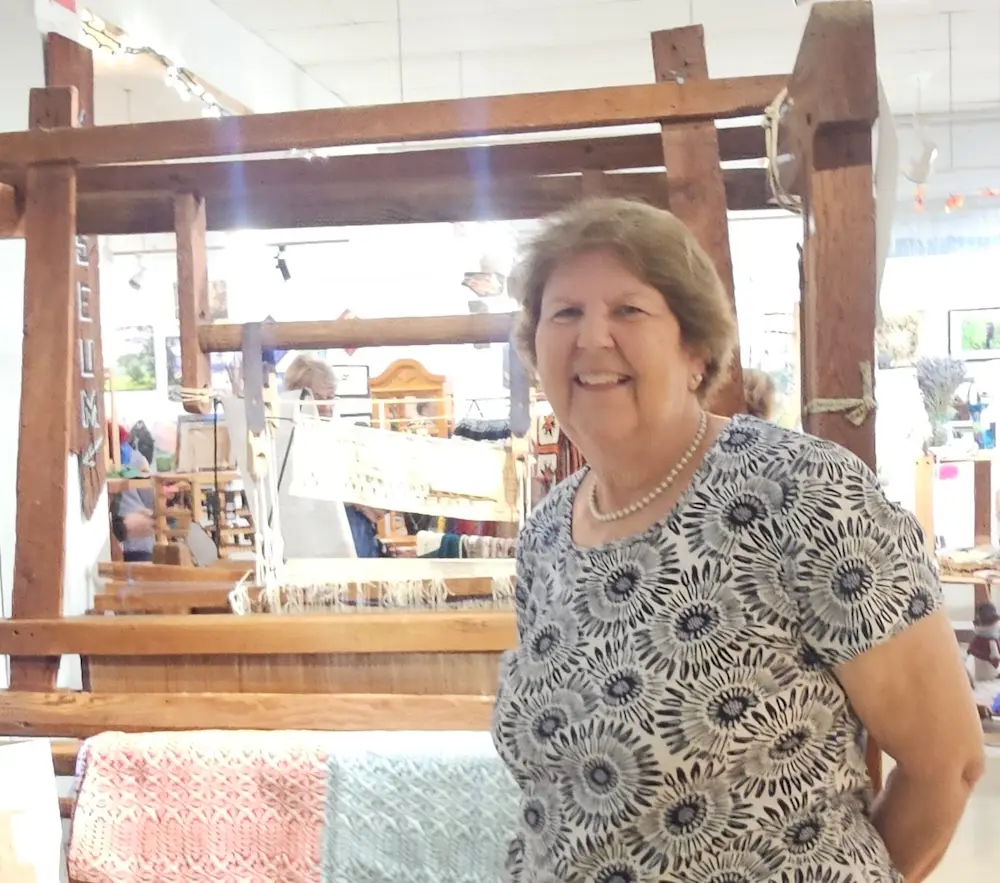
The hand-hewn loom that the Tusing Sisters used for weaving was likely built by John Henry Funkhouser, who served in the 7th Virginia Calvary Company K; he built other looms for families in the area.
The coverlets made by the sisters, described as intricate, were sold to the public for $15 to $25 (and later, for $200.) which helped them maintain their life on the mountain. Smucker stated that Rachel Tusing taught the sisters to weave. Weavers used drafts (a type of code for weaving the coverlets, which were sort of like a primitive computer program.) Weavers had different patterns which they favored; although they wore plain traditional Mennonite dresses, the sisters used some vivid colors in some coverlets.
Kathy Sholl was the niece of Lynn and Ora Tusing; her mother was their youngest sister. Cathy talked about visiting the aunts with her brother Eugene during the summer; the visits were their summer vacation. The Tusing Sisters still lived like the early settlers; their house had running water only in the kitchen, and there was an outhouse instead of an indoor bathroom. Water for baths was heated on the wood stove and poured into a tub. Ora was quite strict and would not play cards; Lynn enjoyed playing card games like (ironically) Old Maid. They had no car but they did have a party-line telephone which was made of wood and on the wall. Kathy recalled listening to other folks’ telephone conversations.
When Kathy was a student at Shepherd College in Sheperdstown, WV, where she now lives, she wrote a short story about her aunts as an assignment. She dropped off the story at the Museum, and the late Ray and Judy Schmitt made it into a film called “The Texture of Life: The Tusing Sisters of Branch Mountain” Real Earth Productions. Kathy is the film narrator, and her daughter portrays her as a child. Don’t miss watching this outstanding film which can be found on YouTube at https://www.youtube.com/watch?v=n60NMB7nj_I
Watch the video for a look at life on the Tusing farm! (And reflecting, my life growing up on the farm on Crab Run Road in Hardy County was just like what Kathy experienced during her “vacations.” We were mountain people! My grandparents were Mennonites and dressed like Lynn and Ora, as did many of my cousins.)