







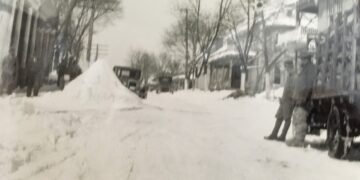



The longest I’ve been without electricity was three days during a big snow storm about 1969. I learned a house cools off fast, it’s really dark outside, and no electric water pumps means no flush toilets or drinking water. It was an eye-opening experience for me, but not for my parents. They had both grown up without electricity. They quickly built fires in the fireplaces, filled buckets of water at the hand-pump at the old Ruritan Park, and lit kerosene lamps from their homeplaces. We were inconvenienced but not uncomfortable.
Electricity is fairly new to rural Virginia. Cities had electricity as early as the 1890s, but by the 1930s, only 1 in 10 rural homes had electricity. Electrical power was viewed as a luxury, not a necessity. Where there was electricity, like rural Warm Springs, Georgia in 1924, the rate was several times more expensive than in cities.
As part of the New Deal-era programs, President Franklin Roosevelt established the Rural Electrification Administration (REA) in 1935 to promote electrical energy in rural areas. By that time, there were small electric power plants in the Valley, at Bridgewater, Timberville, New Market, Mount Jackson and Woodstock. Luther E. Long had set up one at Rockland Mill at Weyers Cave in 1912, and nearby residents wanted to be “on line” with him. Prompted by Mr. Long’s interest and promotion of electrical service, rural residents of Rockingham, Shenandoah, and Augusta counties used their experience in organizing food product cooperatives to organize a non-profit electric cooperative.
Rockingham County Farm Bureau and the Rockingham Pomona Grange pushed for rural electrification, resulting in the formation of Rockingham REA Project in August 1935 at Cootes Store. When the Shenandoah Valley Electric Cooperative (SVEC) was chartered in 1936, it was the first charter issued by the SCC under the Electric Cooperative Act. Initial officers and directors included Lee May of Timberville [father of Howard “Friday” May]. Membership fees were $5. The first project was a line from Cootes Store to Stokesville which also would serve Brocks Gap.
The Daily-News Record reported Jan. 31, 1938 that the first lines in West Rockingham were turned on, serving 97 homes from Dayton to Lilly, Cootes Store to the Lee May home, and Broadway. Power came from a diesel-powered generating plant at Dayton. The same article said that Brocks Gap, Bridgewater, and Spring Creek would be next, with a 250 mile line in Brocks Gap to be energized in a few days. To receive current, home wiring had be to inspected and approved. The project was financed through loans of $699,000 from the REA.
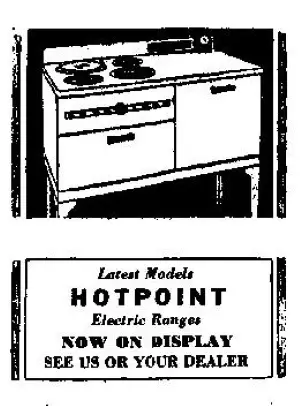
It was a momentous day when the power was turned on in 1938. An REA representative stated that the SVEC was among the largest REA projects. Average project size was 800 customers, while the SVEC project was going to serve more than 2,000 homes when completed. L. C. Prichett, an REA agricultural engineer, pointed out that families could purchase their electrical equipment through financing with the Electric Farm and Home Authority. With electricity, he said, farmers could have labor saving devices to increase “net income sufficiently to pay his light bill and within five years pay for completely electrifying his home and farm.” For example, he said, putting lights in chicken houses would generate extra profits.
At an SVEC meeting in December 1939, treasurer T. T. Showalter stressed that the one goal of SVEC was to “put electrical current in every home in the Shenandoah Valley.” Attitudes toward rural electrification were already changing, just one year after rural Rockingham started service to some homes. County agent S. M. Cox predicted “that the time would come when the rural community would think and act in terms of electrical energy as a necessity, rather than somewhat of a luxury, as they now see it.” He noted that the community’s health would be better now that a lot of drudgery was taken out of work.” Electric lights made it easier on students’ eyes as they spent hours each winter studying their school books, he added.
At the December 1939 meeting, Miss Lennis Moyers (later Mrs. Lennis Garber, teacher at Broadway High School) “told of the fine work that SVEC had done for the Brock’s Gap community. She said that the health of the community had been improved, that it had a valuable psychological effect of the people of the community, and that it had relieved much of the unduly hard work of that section.”
Now, we certainly do view electrical service as necessity, especially during big snow storms. Thank you, organizers in the 1930s who advocated for and made it possible.
Information came from The Light Still Shines—Celebrating 70 Years at Shenandoah Valley Electric Cooperative by Wayne and Sally Hannah, 2006, and articles from Daily-News Record online archives.