












You’ve probably driven by the site many times—the spot in Pleasant Valley where the County Almshouse once stood. Now, there is nothing there to mark the place or give a passerby any indication that years ago, hundreds of people once lived and worked the fields as residents of the Almshouse. Now, thanks to the research and writing of Rev. William Zirk, you can read the story of the “forgotten people”—the homeless people of Rockingham County. But this is more than a historical account. It is, in many ways, a family story.
Zirk’s roots in the almshouse run deep. His grandfather, William A. Zirk, served as superintendent from 1946 to 1952. Following him, Zirk’s father, Berlin M. Zirk, Sr., took over the role from November 1952 until January 1956. During those years, the Zirk family didn’t just work at the almshouse—they lived there, right at the heart of daily life.
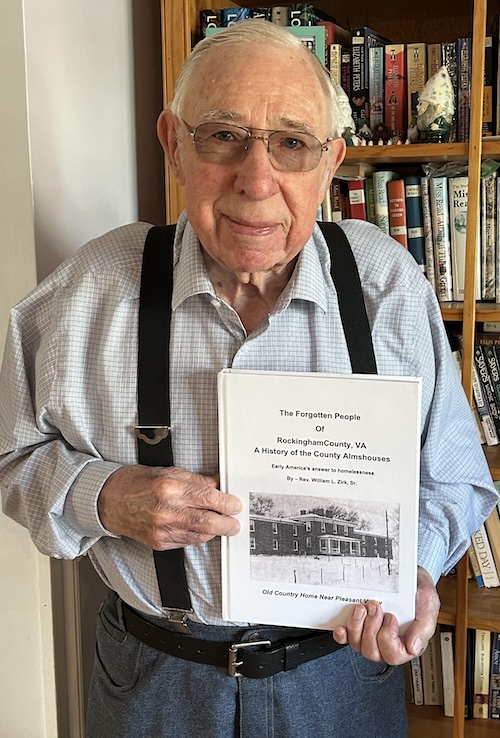
Originally established near Keezletown in 1810, the almshouse moved to Pleasant Valley in 1870. There, it grew into a working farm and residential complex. The property spanned 325 acres, with approximately 200 acres actively farmed. Zirk himself grew up working that land, gaining firsthand experience of farm life alongside the responsibilities of caring for residents.
The almshouse was a self-contained community. It was arranged, with separate wings for men and women with the Superintendent’s residence in the center.
Zirk says there was “a storage room and a meat house room on the first floor. The kitchen contained a large, wood-fired cooking range as well as counters and cabinets for food and preparation. There was a sink area with running hot water that was also heated by wood. The second floor contained a nice-sized chapel with a pump organ and benches that could seat at least 50 or more people.”
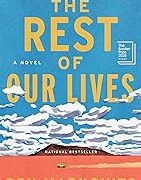
Zirk’s book, a substantial work of approximately 95,000 words, stands as a comprehensive record of what he calls “the history of the care of the poor in our area.” Carefully indexed, it includes more than 3,400 names—residents, members of the Overseers of the Poor (known as the Board of Supervisors after 1870), attending physicians, and superintendents spanning from 1810 to 1961.
For local historians, genealogists, and families with roots in the Valley, the book offers a rare and valuable resource. For others, it provides a glimpse into a chapter of community life that is often overlooked.
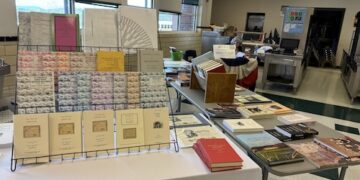
Copies of the book are available locally at Turner Ham in Fulks Run, the Rocktown Museum, and online through Amazon. Readers can also find it at Massanutten Regional Library and the Village Library branch.
Through careful research and personal memory, Rev. Zirk has ensured that the lives, names, and stories connected to the Pleasant Valley almshouse will not be forgotten.