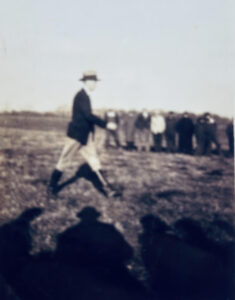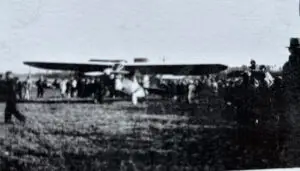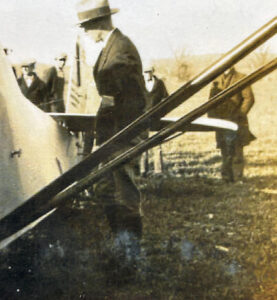












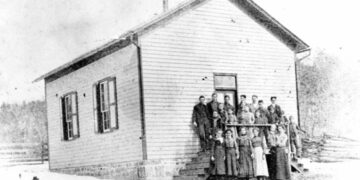


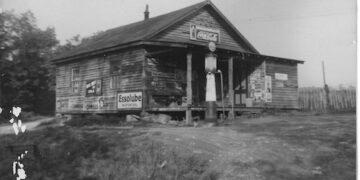







On November 17, 1927, a plane landed in a field on the W.C. Hoover farm near Rt 211 in Timberville. One of the most famous people in the world at the time emerged from the plane, but his visit was supposed to be a secret. Nobody but a few close confidants were to know he was here. But, as all residents of small towns know, in a place where everyone knows their neighbor’s breakfast, secrets don’t keep well. It wasn’t long before the entire area knew that Charles Lindbergh was in Timberville.
Bev Garber, Timberville historian, said he’d been told that 5th graders at Timberville School were allowed to interrupt their school day to watch out the window as the famous aviator landed in the field below. And even though he supposedly slid down in the car seat when he traveled to his hunting destination, people knew he was here.
Then governor, Harry F. Byrd Sr. invited Lindbergh to go with his party on a hunting trip in the Byrd orchard about eight miles west of Timberville. Lindbergh accepted the invitation on the condition that they would keep it private and away from the press. Obviously, the “private” part didn’t work out. After all, here we are, 98 years later, still talking about it! When Lindbergh left the area on November 18, about 500 people gathered in the field to watch his plane take off.
Lindbergh was quite a celebrity in his time. Born in 1902 in Detroit, Michigan, he grew up fascinated by machines and flight. After studying engineering, he became a U.S. Army Air Service Reserve pilot and later carried mail by air—a risky job. His successful transatlantic flight in 1927 instantly made him a global celebrity. When he returned to the United States, tens of thousands greeted him in Paris, and they honored him with parades and awards, including the Medal of Honor. Some say that he came to Timberville to relax after the accolades and celebrations that came after his transatlantic flight.
Lindbergh used his fame to promote aviation. He toured the country advocating for commercial air travel and improved flight safety, helping to inspire the growth of airlines and airports. However, fame also brought personal tragedy. In 1932, the kidnapping and murder of his infant son shocked the nation and led to one of the most famous criminal trials in American history.
Charles Lindbergh died in 1974, leaving behind a complex legacy—both a pioneer who changed the course of flight and a man whose fame revealed the tragedy that can follow in the wake of such fame and notoriety.