





















Most of us cringe at the thought of blood-feeding parasites hitching a ride without invitation. Worse yet, their bite invokes fear of infection, making us want to stay indoors. Tick season–ICK! Just thinking about these freeloaders can tick us off!
But we can’t let critters keep us from going outdoors–time in nature is super-charged self-care! Yes, ticks can transmit diseases to humans and pets, but with a little know-how, we can enjoy the outdoors safely.
Ticks carry bacteria, viruses, and parasites that cause illnesses like Lyme disease, Rocky Mountain spotted fever, and Ehrlichiosis. They ingest pathogens when feeding on infected animals and transmit them when biting a host. May is National Lyme Disease Awareness Month–an excellent time to learn more!
In our region, spring warms ticks out of dormancy. They’re most active in summer and fall–although temperatures above 37° in winter can wake these beasties. Experts suggest watching for ticks year-round, but they aren’t easy to spot. Here’s what to look for.
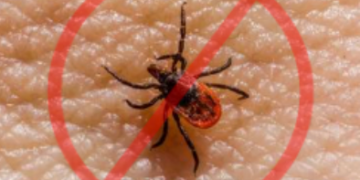
Ticks have two body segments (head and abdomen) and no wings or antennae. They aren’t insects; they’re arachnids (relatives of spiders). Baby ticks only have six legs; nymph and adult ticks have eight. (When I was little, I found a “spider” in my belly button–ICK!)
Virginia is home to over a dozen tick species; four types commonly bite humans and pets. The Blacklegged Deer tick, carrier of Lyme Disease and often no bigger than a poppy seed, has black legs and a red-orange body with a black shield. The Lone Star tick, transmitter of Erlichiosis, is ¼ inch long in adulthood with a white dot (lone star) on its back. Both the American Dog tick and the Brown Dog tick, also ¼ inch long as adults, have similar brown bodies and carry Rocky Mountain spotted fever.
Don’t panic if you find a tick attached to your skin or that of a furry friend, but do act quickly and carefully. The CDC recommends using fine-tipped tweezers or a “tick stick” tool to grasp the head or mouthparts as close to the skin as possible. Pull upward with steady, even pressure until it releases. Avoid twisting or jerking the tick, which can cause the head to break off, increasing the risk of infection. Once removed, keep the tick for identification by suffocating it in a plastic bag or clear tape.
If symptoms like fever, rash, headache, muscle/joint pain, or swollen glands appear, knowing the type of tick can help guide treatment. Infections are treated with pharmaceutical and herbal regimens, and if the tick is found early, the risk of illness is lower.
Now some good news! Arming yourself against these bloodsuckers is effective and uncomplicated. AmericanForests.org says assume ticks are waiting in grassy or wooded areas. Wear light colored clothing, cover up with long sleeves, and tuck pantlegs into socks. Spray repellant containing insecticides and essential oils on clothing, hats, and bags.
When outdoor fun is done, do a “tick check” of clothing, hair, and skin. Tossing clothes in the dryer for 15 minutes can kill any hidden ticks while you shower and double-check knee creases and armpits (and belly buttons) for stowaways. Treat and check furry friends carefully, too!
Preparation is good self-care. Ticks may be icky, but don’t let them ruin outdoor fun!
And, if you’re battling Lyme disease or tick-borne illness–remember, you are more than the diagnosis! Give yourself compassion, keep going with treatments, and ask for what you need. You deserve to be supported!